Feature: Is Korea’s Little Women considered an adaptation?
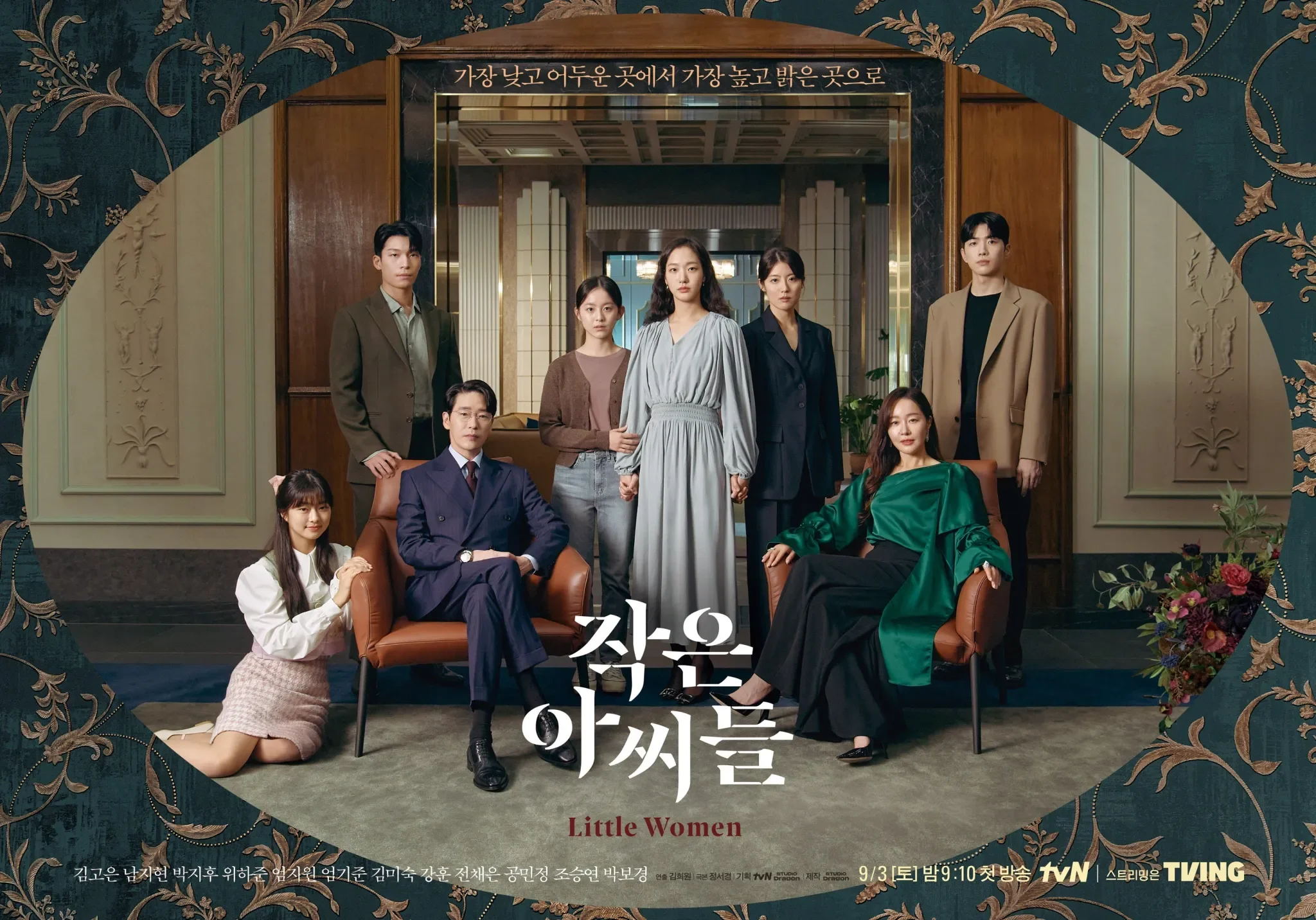
“There’s nothing more sacred in the world than money” - Choi Do-Il
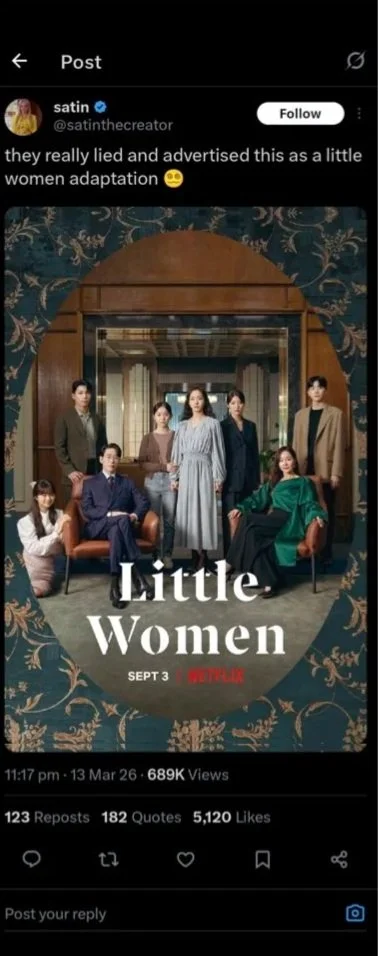
This was a post I saw on X a couple of months ago (satin, 2026), and the short answer is no, they didn’t. Then I thought about it, now and then, about why I was so sure this Korean drama was an adaptation before searching online for confirmation from the screenwriter, Jung Seo-Kyeong. The longer answer is what I hope to explain in this post, how Jung took the core of Louisa May Alcott’s Little Women novel and adapted it for 21st-century South Korea.
Released in 2022, Little Women follows the three Oh sisters as they fight a rich and influential family in South Korea. Oh In-Joo (Kim Go-Eun), is the oldest sister with the firm belief that money is the most important thing in life and that she and her sisters will not live in poverty. Oh In-Kyung (Nam Ji-Hyun) is the middle sister. She is a reporter and believes in fighting for those who face injustice. Unlike her older sister, In-Kyung knows they are poor, but she doesn’t let money rule her choices. Oh In-Hye is the youngest sister, a talented painter. She attends a prestigious art school and is drawn to the rich life feeling she would be more comfortable in it.
Mode of Adaptations
For a refresher from my introduction post, English-American scholar Geoffrey Wagner defined adaptation by categorising them into three modes: transposition, commentary and analogy (McFarlane, 1996, pp. 10-11).
This K-drama would fall under the mode of an analogy adaptation. Wagner did have a difficult time defining this type of adaptation because how can it be considered adapted if the film/TV series has departed so far from the original source that it has become its own work (Albrecht-Crane & Hutchins, 2010, p. 16)? Would knowing the original be a waste of time? My answer to that is yes and no.
Yes, because you would have the pleasure of not comparing the adapted series to the written source; instead, you would be judging the screen text. But also no, because isn’t it exciting to see how the core themes of the original source can be reshaped into another perspective, time or culture and displayed visually in a film medium? I think of analogy adaptation like fan fiction, with the freedom writers have to write their own What-if’s of the film’s narrative. What if the antagonist didn’t die? How would the story unfold? What if this story were set in another country where there are cultural differences from the original source? How would the story go?
That is exactly what Jung did when she wrote a Korean version of Little Women. The March sisters of the original novel grew up in poverty just like the Oh sisters. Jung took the poverty theme a step further by imagining how the sisters have reacted if a huge sum of money had fallen into their laps overnight. Money that could change their living situation.
“The reason I came up with this series was I had a question: 'What if three sisters, who are living in poverty, get a huge sum of money?' The money turns out to have different triggers, like the death of a beloved friend, putting family members and one's own life at risk, and other social issues,” (Lee, 2022).
Christa Albrecht-Crane and Dennis Hutchins (2010, p. 17) believed that understanding adaptations involves viewing them as responses to other texts. I agree with this because art is subjective. Everyone interprets texts differently but I believe to appreciate any film/TV series adaptation, it must hold the core themes of the original (Guo, 2025, p. 9). In this case, the main themes of Alcott’s Little Women are sisterhood, poverty and class inequality. These themes are the foundation of the narrative in Little Women of how the Oh sisters overcome their obstacles.
McFarlane’s narratological approach
Theorist Robert McFarlane judged the adaptation process by examining the narrative that can be transferred into the film adaptation.
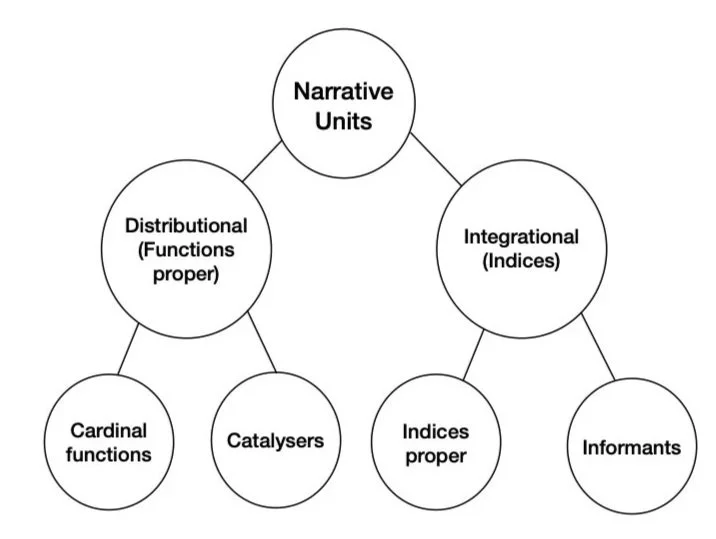
This diagram shows how narrative units would be transferred during an adaptation. Not all categories would be involved.
The narrative unit includes the plot, characters, settings, and even the psychological aspects of the narrative. The unit is divided into distributional [functions proper] and Integrational [indices]. Distributional is the main plot in terms of actions, causes and effects, whereas integrational is for the psychological parts of the plot. For example, characters’ attributes or descriptions of the locations. How the descriptions are shown visually. Distributional is split into cardinal functions and catalysers. Cardinal functions are the cause and effect of the story (McFarlane 1996, p. 13). Changing a section of the story significantly alters the adapted plot.
These are some of the cardinal functions in Little Women that push the narrative:
Oh In-Joo discovers Hwa-Young’s (Choo Ja-Hyun) body and is given 2 billion won from said passed friend.
In-Joo investigates why Hwa-Young died.
Oh In-Kyung investigates Park Jae-Sang’s (Uhm Ki-Joon) connection to the Bobae Savings Bank case.
Oh In-Hye leaves her sisters to move in with the Park family.
It is interesting, just as in Korean adaptation, how poverty is perceived is differently in Alcott’s novel. This same observation applies to the other Little Women film adaptations. In Alcott’s novel, poverty is described as genteel, whereas other adaptations portray it in ways that reflect the period in which they were produced in (Kirkham & Warren, 1999). In South Korean society, money is highly valued, if not at least the answer to a happy life. Anna Jungeun Lee (2022, p. 2) believes the perception of wealth not being connected to corruption began with the country’s industrialisation and its involvement in the Vietnam War. Being a historically sensitive topic, Little Women places the Korean soldiers' involvement in Vietnam as a catalyst point for the villains in this adaptation.
Catalysers are parts of the story that are open to alteration but won’t have a direct hand in changing the narrative’s core (McFarlane, 1996, p. 14).
Here are some catalysers from Little Women:
The involvement of the South Korean soldiers in the Vietnam War was used to justify the wealth the highly positioned soldiers had accumulated after returning.
The 3rd sister Oh In-Seon, passed away very young from hereditary heart disease. This sister’s death became a taboo subject for the family.
The Blue Orchid flowers found at every murder scene.
Integrational (Indices) are more focused on the psychological parts of the narrative (McFarlane, 1996, p. 13).
Indices proper are modifications of the narrative’s tone and atmosphere (McFarlane, 1996, p. 14). How is it transferred from text to a visual medium?
Some indices proper in Little Women are:
Poverty is portrayed as a psychological burden in Little Women and it doesn’t simply go away with perseverance, as the novel shows.
Genre is a mystery/thriller drama that sets the tone for the themes of social class inequality, corruption and suspense.
Their mother Ahn Hee-Yeon (Park Ji-Young), is selfish and leaves the Oh sisters alone by stealing In-Hye’s money that was gifted from In-Joo and In-Kyung. This sets the tone of the Oh sisters’ resentment of the life they were born into. In comparison, Alcott’s Marmee March is a supportive pillar during their economic struggles often giving her daughters life lessons that allow them to be charitable, appreciative, to thrive, and feel protected.
Informants are elements such as character names, job titles, and setting names that are easily transferable from the novel to the film (Perdikaki, 2017). To fit into the 21st-century setting of South Korea, the Korean drama Little Women made numerous changes.
Set in 21st Century South Korea (Alcott: 19th Century, Massachusetts, USA).
Being set in South Korea in 2022 shapes the plot by showing how poverty is viewed across two cultures and time periods.
Characters’ names have been adapted to Korean names for this series. For this post, I will focus on the Oh sisters and their traits compared to those of their counterparts. It’s worth noting that there is often overlap between the other March sister’s plots, attributes or traits found in the Oh sisters, as explained below.
Oh In-Joo’s counterpart is Meg March.
“The moment I saw that money, I felt that I had found it as compensation for the poverty I had experienced all my life.” - Oh In-Joo.
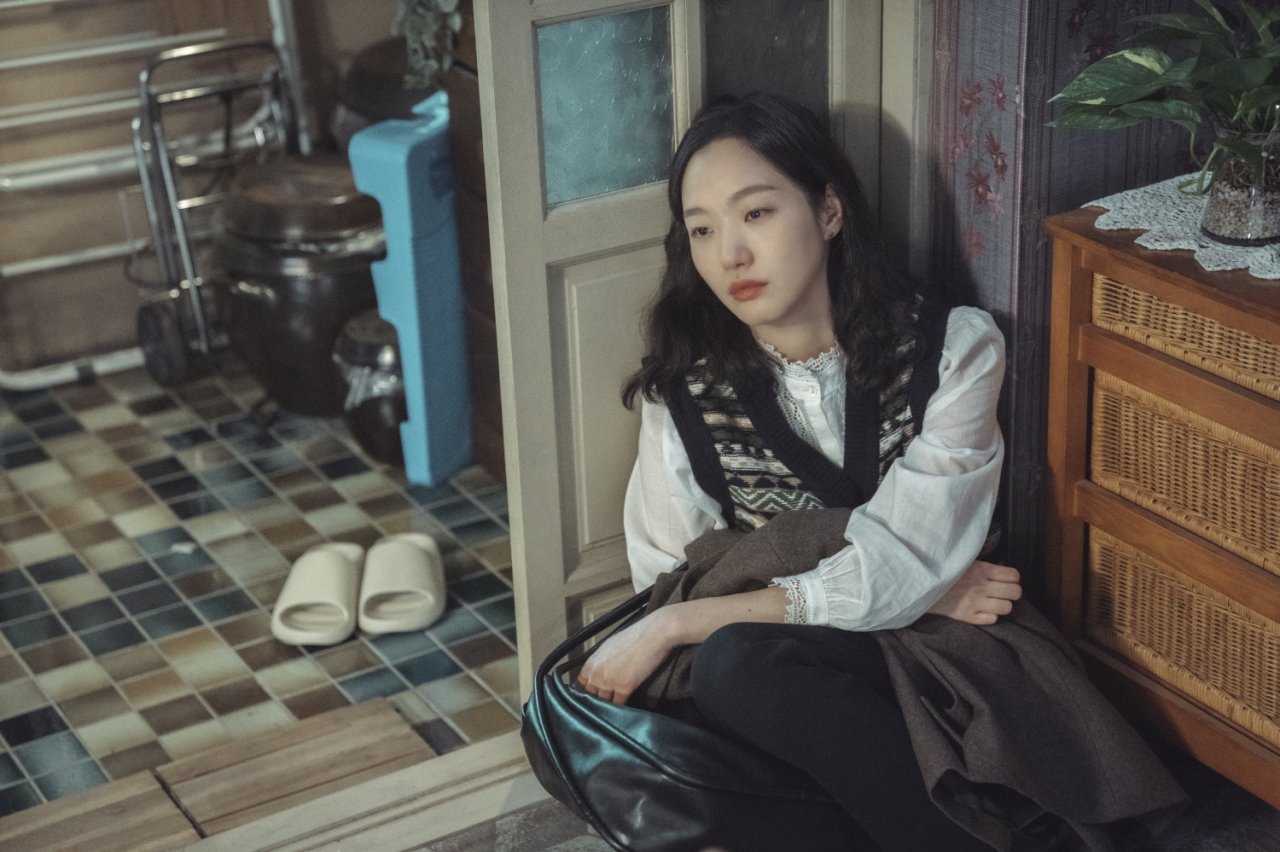
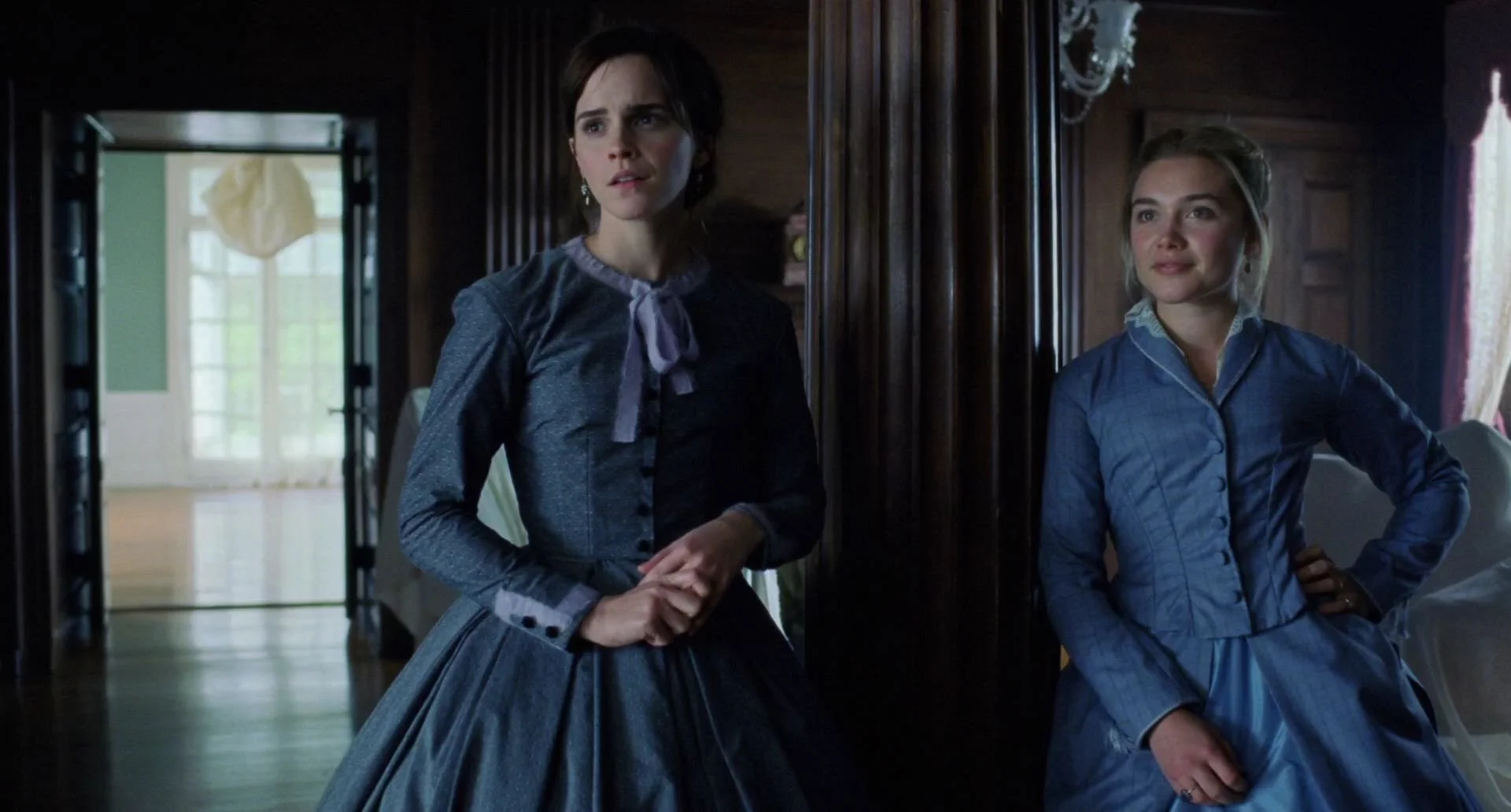
Oh In-Joo is the oldest sister of the family. In her 30s, she is an accountant known as the 13th-floor outcast because she is poor among her wealthy co-workers. She takes on Meg’s traits of being a caretaker and gentleness but is also tempted by materialism. While Meg seeks a marriage with a wealthy man, she ends up marrying John Brookes for love and giving up the materialistic life she envisioned. In-Joo doesn’t have that luxury because to her money means survival for her and her sisters. In South Korea, the eldest daughter is known as K-Jangnyeo. This term refers to the sacrificial role placed on eldest daughters to serve as family caretaker (Kim, 2020). In-Joo is divorced and is willing to do all she can to keep the 2 billion won her friend gave her so her sisters will never worry about money.
Oh In-Kyung's counterpart is Jo March
“I don’t mind being poor. It’s how I’ve always been. But I don’t want to become a thief because I’m poor. That would mean that I lost.”- Oh In-Kyung.
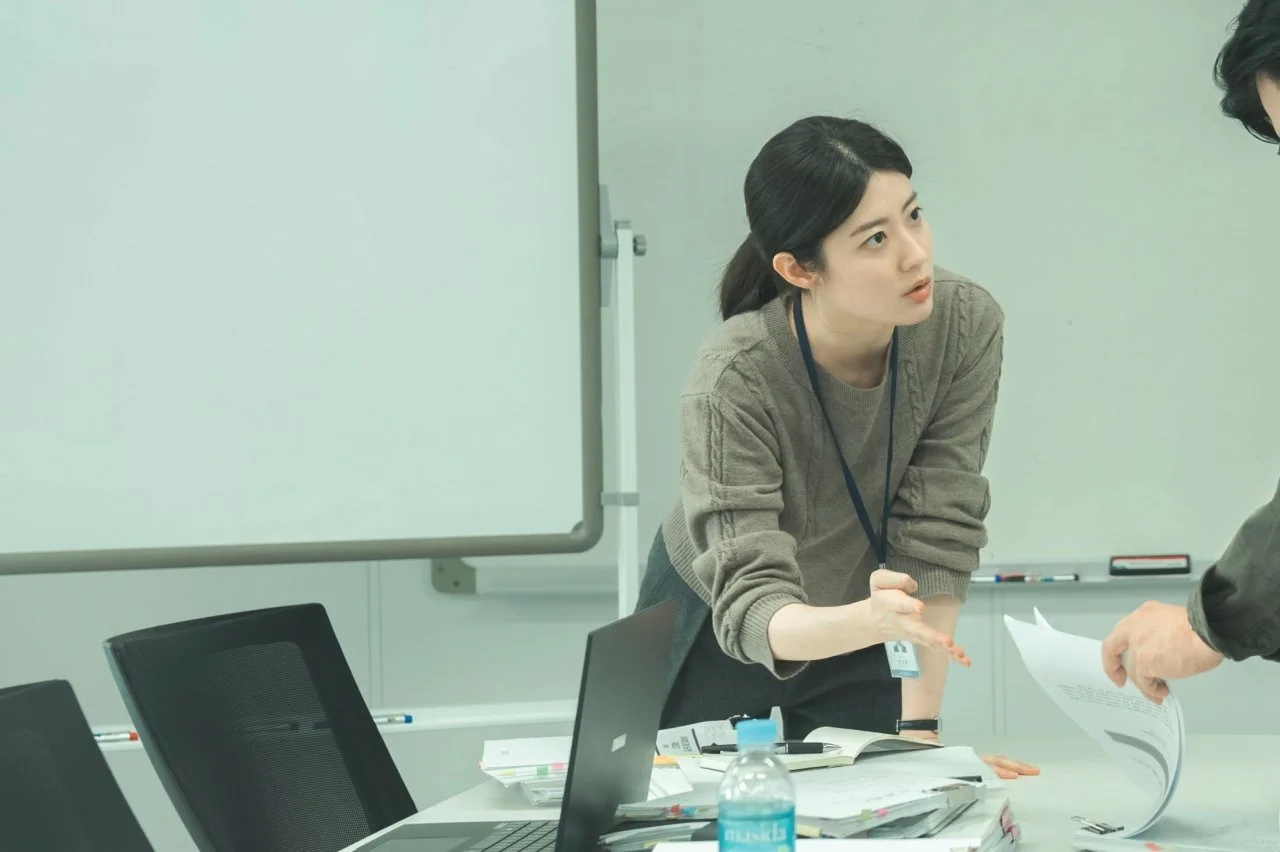
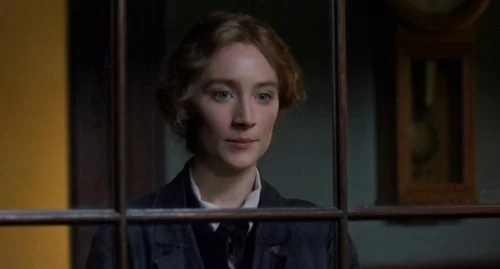
Oh In-Kyung is the second sister of the family, and instead of being a writer like her counterpart, she is a reporter. In this series, In-Kyung is not the main protagonist; instead her older sister, In-Joo is. Growing up, In-Kyung is the sister who is sent to live with her great-aunt Oh Hye-Seok (Kim Mi-Sook), when she is 12. Growing up with her wealthy great-aunt she learned she was talented in trading stocks, but after graduating from high school she didn’t pursue a career in her great-aunt’s real estate business. This allows viewers to understand why In-Kyung is not as attached to the idea of being rich as In-Joo, because she has seen the negative effects of having and keeping money. Like Jo March, In-Kyung is outspoken and has a sense of justice, but she is also very righteous as she is the sister that argues with In-Joo the most about keeping the money and views it as morally wrong for them to have it.
While living with her great-aunt she befriended her neighbour, Ha Jong-Ho (Kang Hoon), who was lived with his grandfather. Jong-Ho’s counterpart is Laurie Laurence but he takes on a calmer, more matured version of Laurie, who is married to Amy March.
Oh In-Hye’s counterpart is Amy March.
“In our poor family, I was a girl who always received a lot. I was always afraid that I may not be able to pay any of it back. I was afraid I’ll end up unworthy of the love you showed me.” - Oh In-Hye.
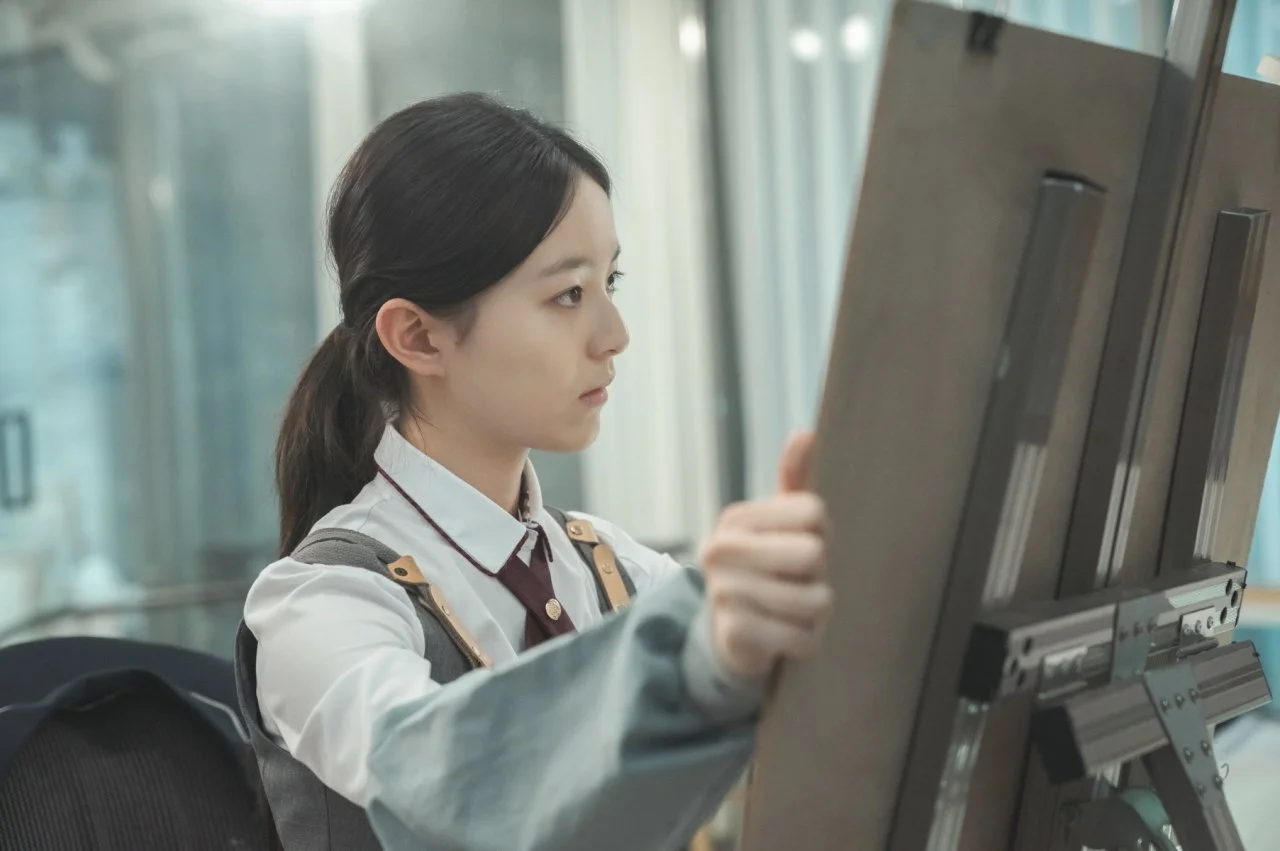
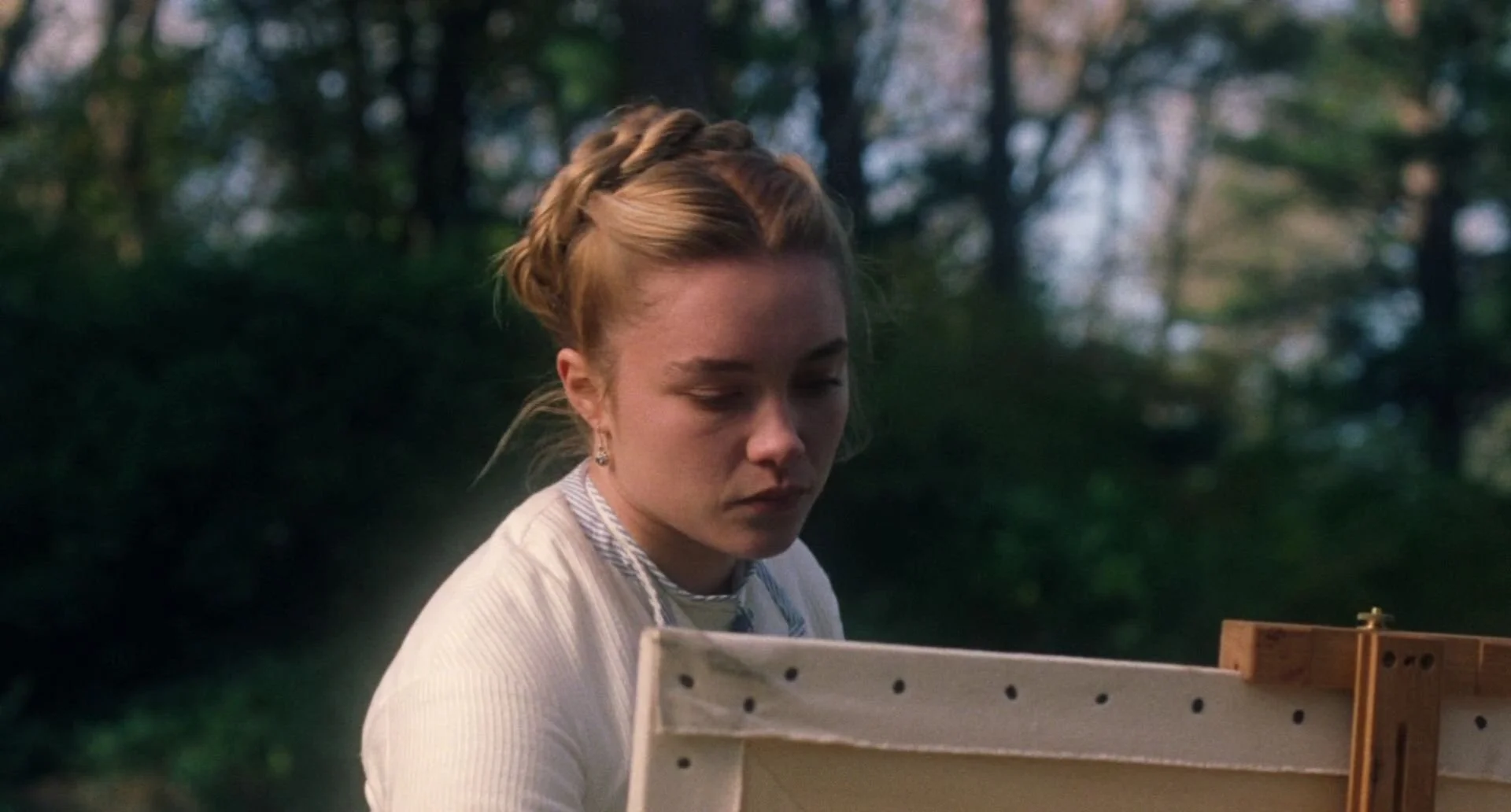
Oh In-Hye is the youngest sister and is a student attending a prestigious art high school in this adaptation. She is a talented artist who befriends another arts student Park Hyo-Rin (Jeon Chae-Eun). Hyo-Rin is from a wealthy family, and her father is running for mayor of Seoul. Instead of travelling to Europe, like Amy March. In-Hye moves in with Hyo-Rin’s family and becomes entranced by the rich, luxurious lifestyle her friend is born into, in contrast to her life with her sisters. She often feels like a burden to her sisters and expresses her rage when she knows they will do anything to give her a happy life, but not for themselves. It is why she stays longer with the Park family when they begin to include In-Hye in their lives.
The narratological approach shouldn’t be the only source for judging an adaptation; it’s a good starting point for understanding the adapted narrative in relation to the original. I find that it helps to judge the source’s narrative and fidelity (to being high or low).
What is interesting is that by the end of the series, the Oh sisters have their happy ending, reaching their dream with the money to change their lives. But to do that, they must leave each other. Whereas in the novel, it ends with the March sisters reunited with their families for Marmee’s 60th birthday, expressing their gratitude for their lives.
In conclusion, despite being a mystery-thriller TV series, this K-Drama remake of Alcott’s Little Women is considered an analogy adaptation. While it isn’t a direct adaptation it is instead a loosely adapted TV series because it has kept the core themes: sisterhood, poverty and class inequality. These themes are the cardinal functions that drive the plot of how each sister navigates with poverty in a capitalist society.
References:
Albrecht-Crane, C., & Cutchins, D. (Eds.). (2010). Adaptation studies : New approaches. Fairleigh Dickinson University Press.
Guo, Y. (2025). How to Appreciate an Adaptation? International Journal of Philosophical Studies, 1–18. https://doi.org/10.1080/09672559.2025.2482905
Kim, S.-G (2020, June 12) Is Your Eldest Daughter Still Called the Household’s Backbone? Rejecting the ‘K-Jangneyo’ Stereotype. Asia Business Daily. https://www.asiae.co.kr/en/article/2020061213093480908
Kirkham, P & Warren. S. (1999). Four Little Women. In Cartmell. D & Whelehan. I. (Eds.), Adaptations: From text to screen, screen to text. (pp. 81-96). Taylor & Francis Group.
Lee, A.J. (2022). Becoming Rich: Economic Subjectivity and the Portrayal of Money in Modern South Korea. Acta Koreana. 25(1), 1-28. https://doi.org/10.18399/acta.2022.25.1.001
Lee, G.-L (2022, October 19) Interview: ‘Little Women’ writer creates well-woven story of sisters. The Korea Times. https://www.koreatimes.co.kr/entertainment/shows-dramas/20221018/interview-little-women-writer-creates-well-woven-story-of-sisters
McFarlane, B. (1996). Novel to film: an introduction to the theory of adaptation. Clarendon Press, Oxford.
Perdikaki, K. (2017). Towards a model for the study of film adaptation as inter semiotic translation. inTRAlinea. https://www.intralinea.org/specials/article/2246.
satin. [@satinthecreator]. (2026, March 13). They really lied and advertised this as a little women adaptation 😵💫 [Image attached] [Post]. X. https://x.com/i/status/2032430830576890173
FILMGRAB. (2021). Jo March. https://film-grab.com/2021/04/16/little-women/
KissThemGoodbye. (2020). Meg March and Amy March. https://kissthemgoodbye.net/movie/displayimage.php?album=997&pid=2404288
KissThemGoodbye. (2020). Amy March. https://kissthemgoodbye.net/movie/thumbnails.php?album=997
Lee, S.-J. (2022). Oh In-Joo, Oh In-Kyung and Oh In-Hye screenshots. The Korea Herald. https://www.koreaherald.com/article/2946788
Disclaimer: The opinions and views expressed in this post belong solely to the author.